The Wallace Fountains
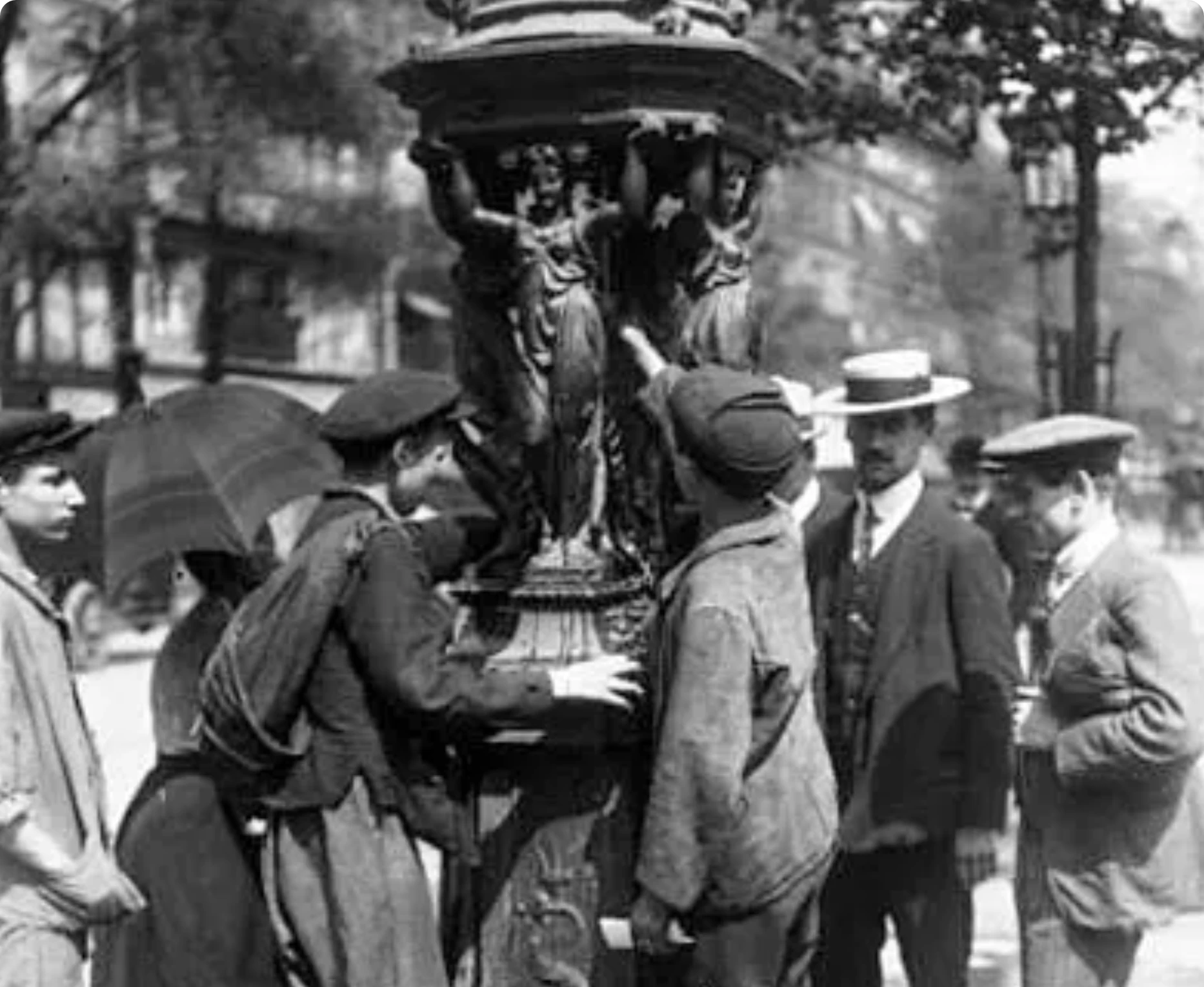
Wallace Fountains of Paris have been dispensing clean drinking water to residents and visitors for 150…


... in France in the 19th century by English benefactors wishing to help British nationals in France who had fallen on hard times:
Together with the Hertford British Hospital Corporation, Paris (“HBHC”), a charity created in 1966 to manage the hospital.
In summary
Built between 1872 and 1879
«The Hertford British Hospital was
founded in 1871by Sir Richard
Wallace for the medical and surgical
treatment of "indigent and sick
British nationals in and around
Paris". It was named after his father,
the 4th Marquess of Hertford.»
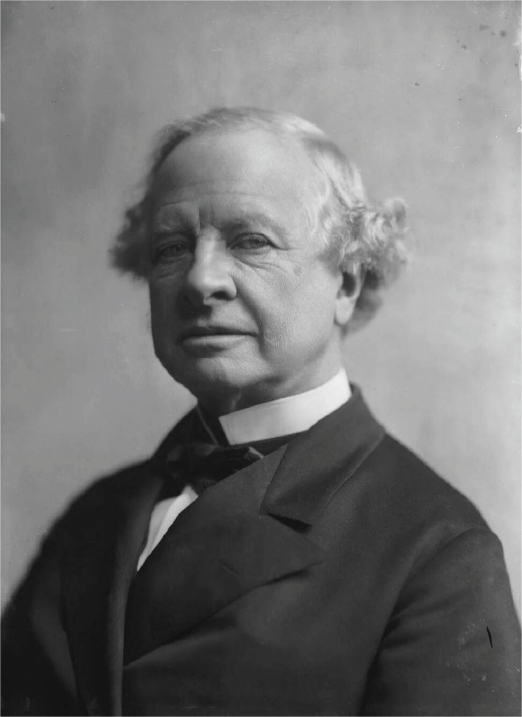
It is thanks to the pioneering vision of Sir Richard Wallace in the 19th century that HBH (and subsequently HBHC – the Herford British Hospital Corporation, Paris) were created. Wallace was a British aristocrat, art collector and Francophile who spent most of his life in Paris. He is believed to have been the illegitimate son of Richard Seymour-Conway, 4th Marquess of Hertford, who died in 1870 without an heir. Wallace inherited the Marquess’ unentailed estates and extensive collection of European art which became one of the greatest private art collections in the world.
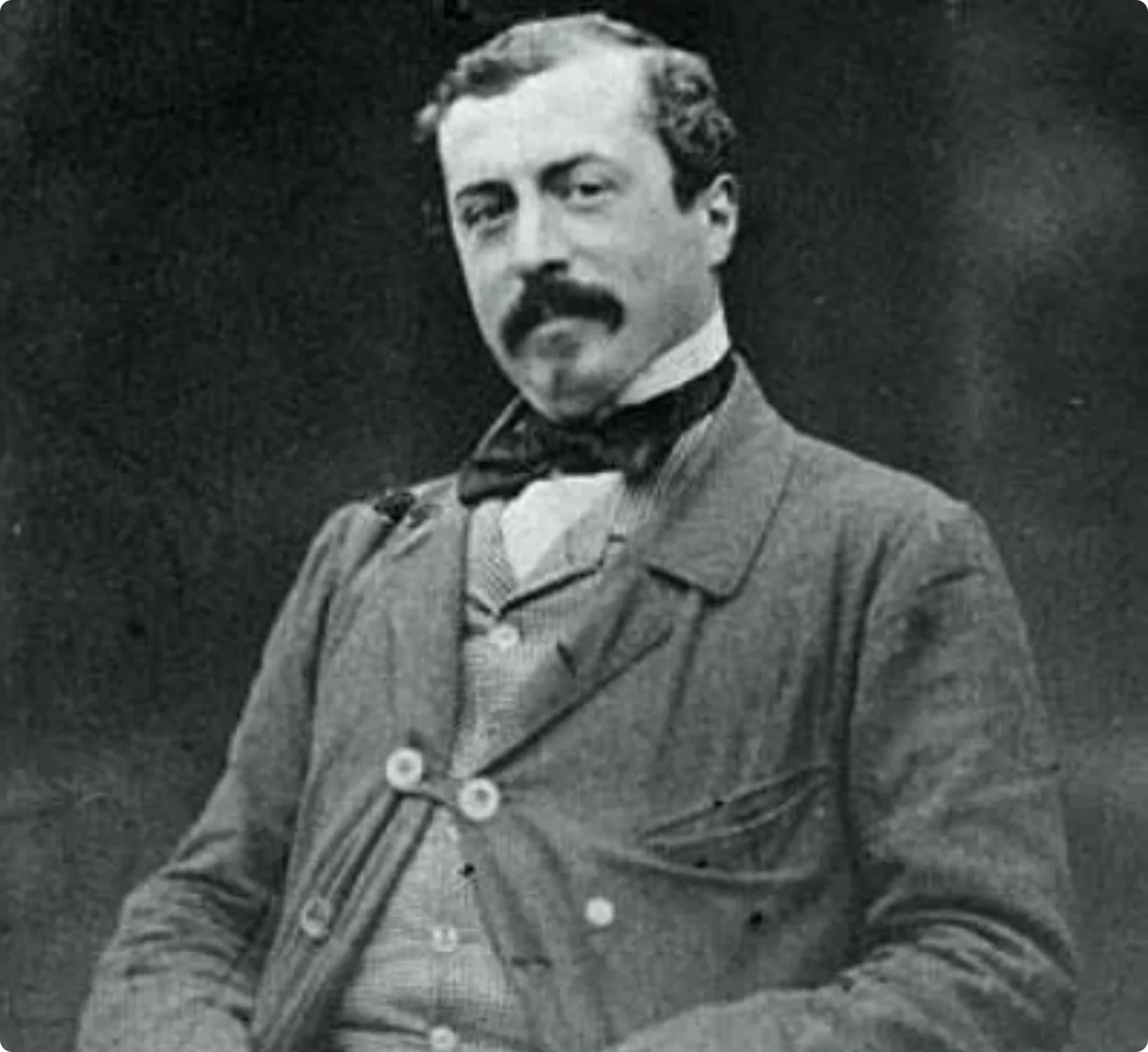
The entire collection was bequeathed to the British nation by Wallace’s widow, Julie Amelie Charlotte Castelnau, and is now known as the Wallace Collection in London.
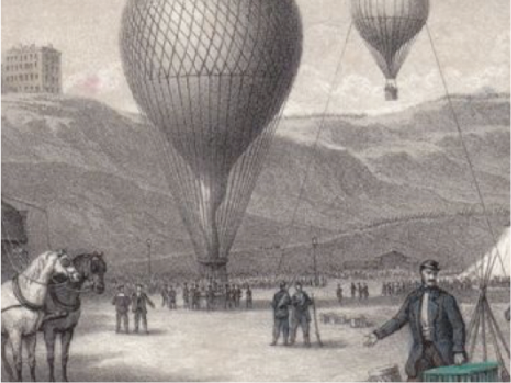
During the Siege of Paris (1870-71), Wallace provided food and financial support to his fellow compatriots (via The British Charitable Fund) and organised two field hospitals (or ambulances as they were then called): one to serve the French wounded and the second for the benefit of sick and destitute Britons. The last postal balloon to leave Paris before its capitulation was named in recognition of Wallace’s services, as was a Paris boulevard, and he was made a Chevalier de la Légion d'Honneur in 1871.
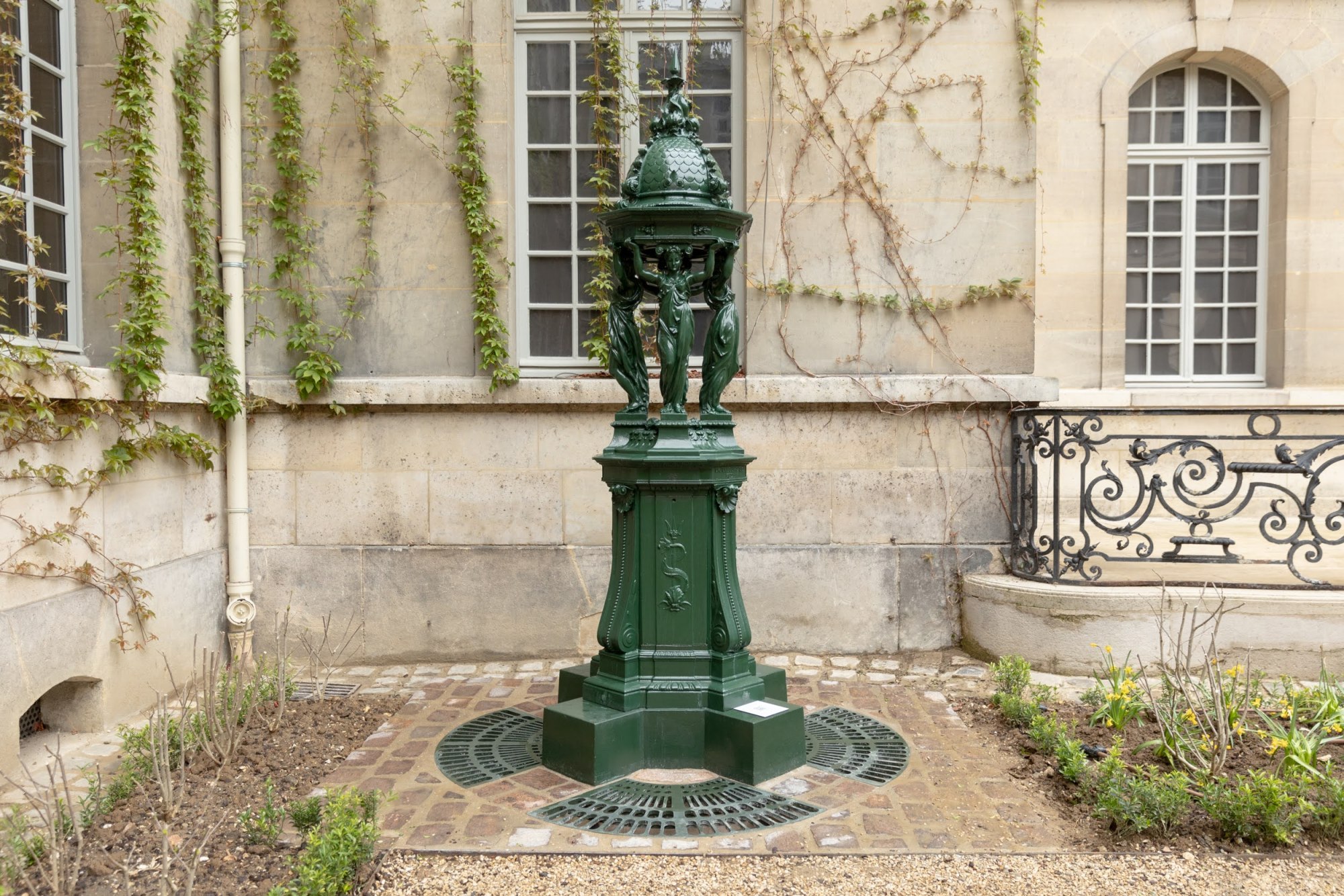
After the Siege, potable water in Paris was scarce – and very expensive – and many Parisians drank beer or wine instead. In response, Wallace installed the first ten of his drinking fountains in Paris to provide a fresh and safe water supply.
Information on the Wallace Fountains can be found on the website of the Society of Wallace Fountains
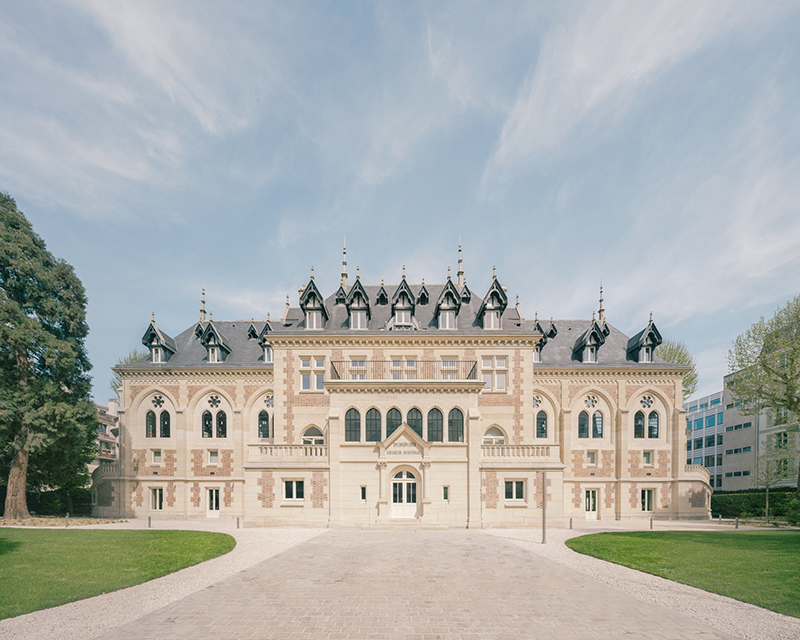
Realising that there were few or no medical facilities available for his compatriots, in 1871, Wallace commissioned a state-of-the-art hospital in Levallois-Perret in the western suburbs of Paris. This led to the setting up of the Hertford British Hospital (a charitable trust whose operations have since 1966 been managed by HBHC).
The British Charitable Fund in Paris (BCF) was founded in 1823 by the then British Ambassador to France, the Viscount (later Earl) Granville. The fund aimed to provide financial support to impoverished British subjects living in France. The BCF was supported by the British Embassy in Paris through fundraising events including balls and a reading by Charles Dickens in 1863.
In 1870, when the Prussians invaded Paris, several thousand British people were trapped in the city, some 800 of them destitute. Sir Richard Wallace was aware of the BCF and immediately offered to help, joining the small group of committee members dispensing aid and food to the long lines of people queuing for assistance. As the situation grew increasingly desperate, Wallace donated more and more money into the fund.
In 1870, the BCF appointed Wallace as Chairman, a post he held until his death in 1890.
Wallace Fountains of Paris have been dispensing clean drinking water to residents and visitors for 150…
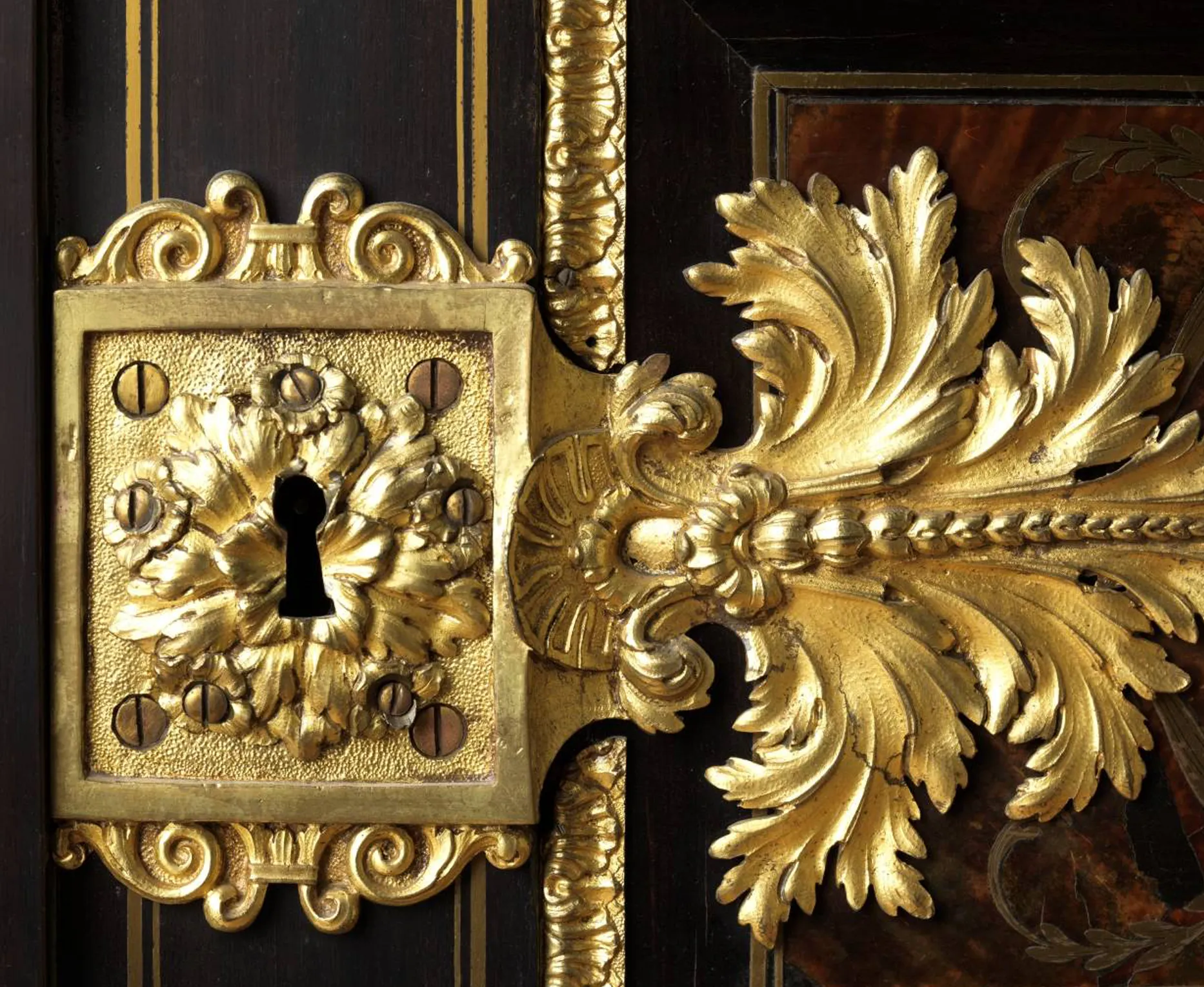
National museum housing unsurpassed masterpieces of painting, sculpture, furniture
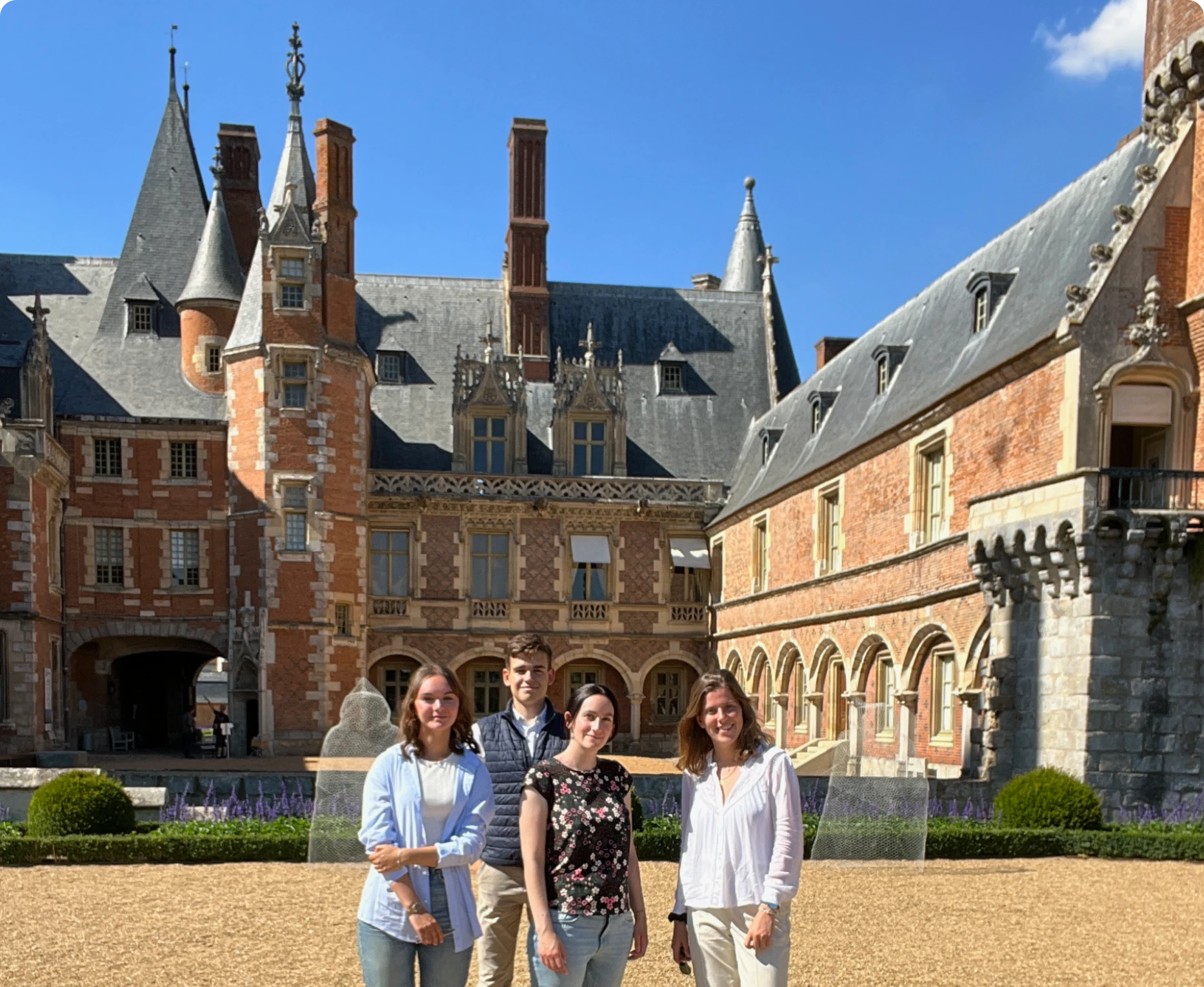
The Mansart Foundation is an umbrella foundation which aims to conserve and promote...
